
Published 26 December 2025, The Daily Tribune
The Christmas season is often described as a time when the law loosens its grip and gives way to goodwill, generosity, and celebration. Yet, beneath the carols, lights, and fireworks lies a web of laws and regulations that quietly shape how we celebrate Christmas and welcome the New Year. Far from being suspended during the holidays, the law is, in fact, most present when the nation is at rest.
Consider first the law on labor. Christmas Day and New Year’s Day are both declared regular holidays under the Labor Code and its implementing issuances. For workers, this means entitlement to full pay even without reporting for work, and premium compensation for those who do. The law seeks a delicate balance: allowing employees to celebrate with their families while recognizing that hospitals, power plants, hotels, and essential services cannot simply shut down for the season. The holidays thus become a legal exercise in fairness—rewarding sacrifice while protecting rest.
Commerce, too, feels the firm hand of regulation during the holidays. The Department of Trade and Industry annually issues price freezes on basic necessities during the Christmas season and calamity-prone periods. The objective is clear: to prevent profiteering when demand predictably rises. Christmas generosity, the law reminds us, must not be exploited for unjust gain.
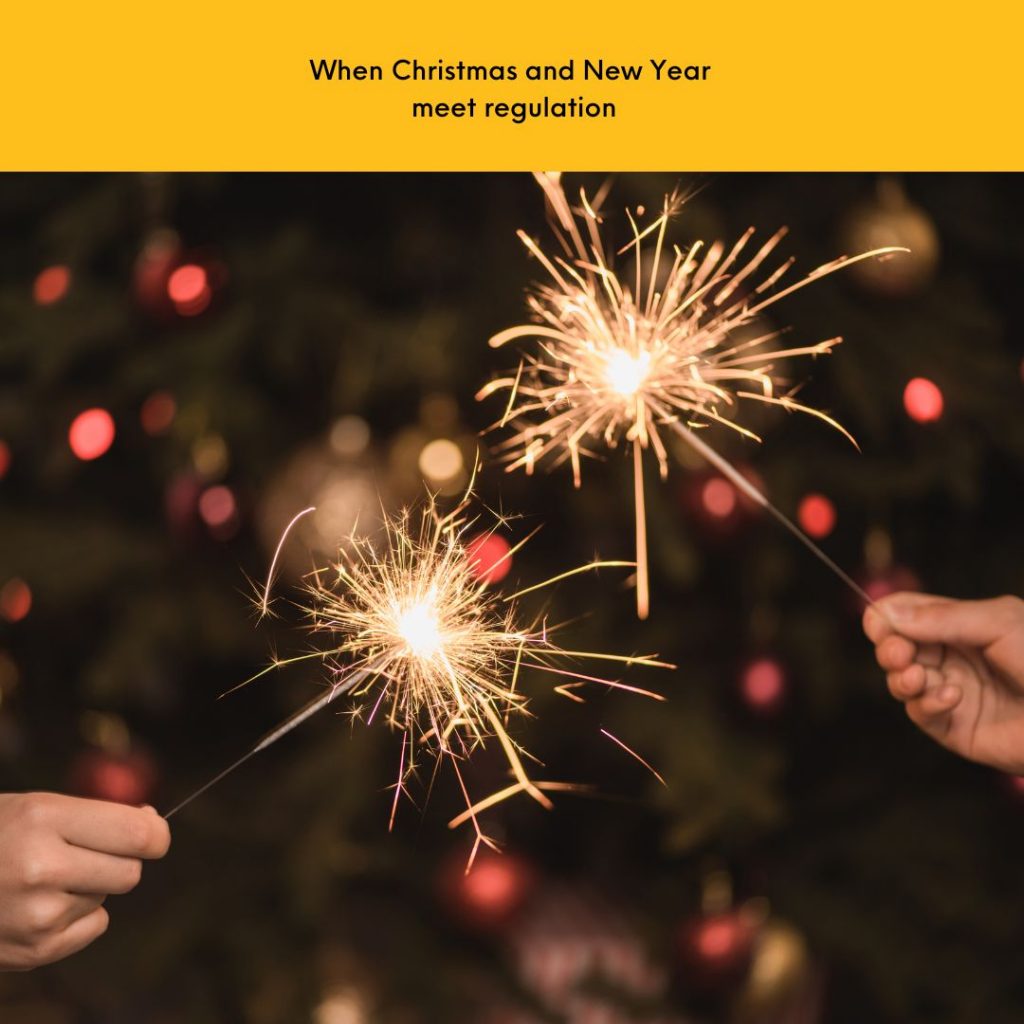
Public safety regulations become even more pronounced as the year draws to a close. Firecracker bans or restrictions, liquor regulations, and curfews for minors are regularly enforced during Christmas and New Year celebrations. These rules are not meant to dampen joy but to prevent predictable harm. Every year, the statistics on firecracker injuries and drunk-driving incidents justify the law’s caution. Celebration, the law insists, should never come at the expense of life and limb.
Environmental and local government regulations also make their presence felt. Many local government units impose ordinances regulating noise levels, street parties, waste disposal, and even the timing of fireworks displays. The season of abundance often produces the season’s greatest waste, prompting stricter enforcement of anti-littering and waste-segregation laws. In this sense, Christmas becomes a test of collective discipline, not merely personal generosity.
Religious freedom, a cornerstone of constitutional law, quietly underpins the entire season. While Christmas is a Christian celebration, the State’s role remains one of accommodation rather than endorsement. Public holidays, nativity displays, and Christmas programs are permitted not because the State adopts a religion, but because it recognizes cultural tradition without compelling belief.
Finally, New Year ushers in laws of reflection and reckoning. Deadlines reset. Tax obligations resume. New regulations take effect. The symbolic “fresh start” is mirrored in the legal system’s calendar, where compliance, accountability, and reform await once the last firework fades.
Christmas and New Year remind us that law is not merely punitive or procedural. At its best, it is pastoral—guiding behavior and protecting the vulnerable during moments of heightened emotion. The law does not cancel the season’s joy; it frames it.
And so, as the year ends and another begins, the message of the season is clear even to lawyers: celebration is sweetest when tempered by responsibility, and freedom is most meaningful when exercised within the bounds of justice. In this solemn convergence of faith, festivity, and regulation, the law does not intrude—it reminds us that order and hope can, and must, coexist.
For more of Dean Nilo Divina’s legal tidbits, please visit www.divinalaw.com. For comments and questions, please send an email to cad@divinalaw.com.
